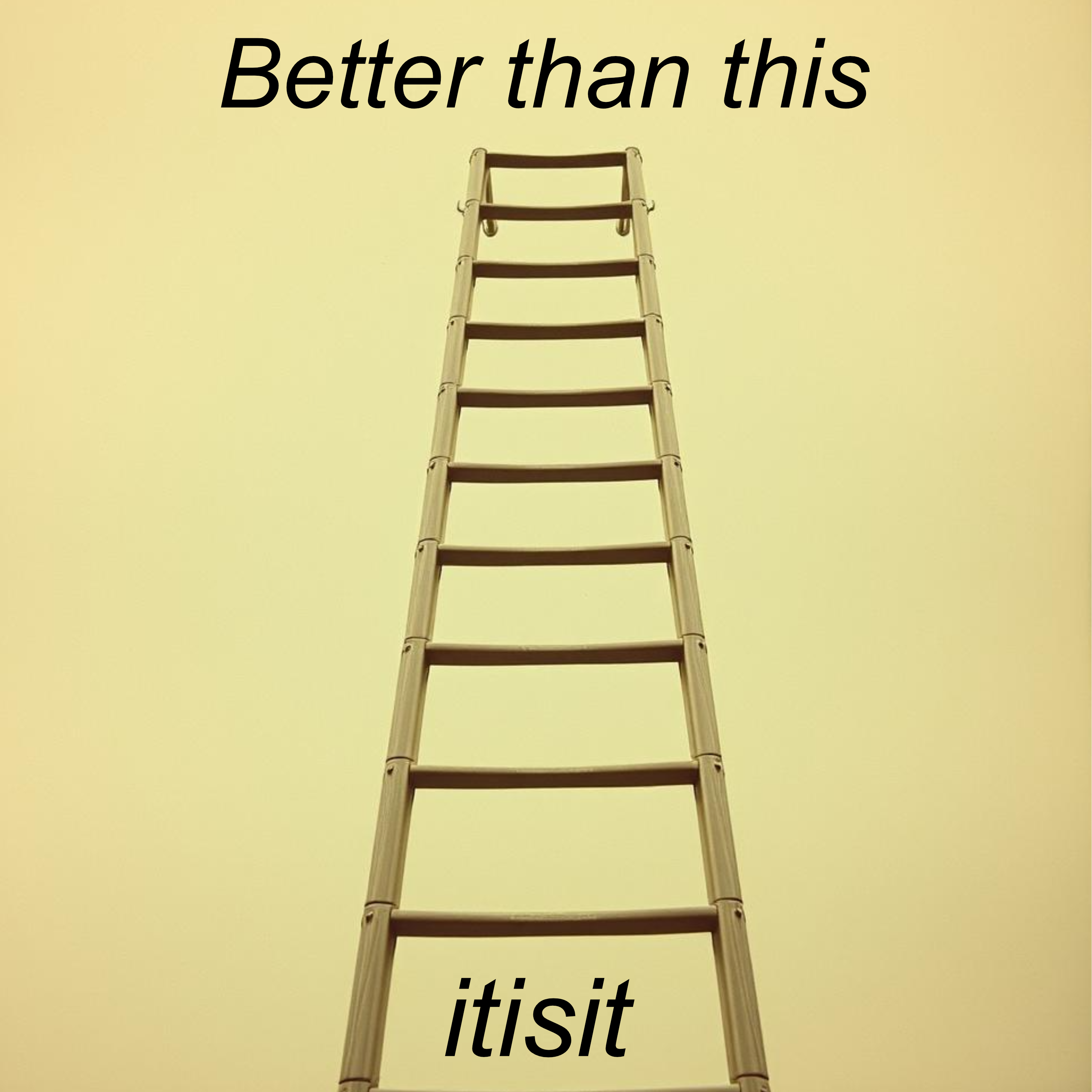
Better Than This
A hopeful call to confront inequality, release pride and build change through courage and kindness.


"It's about showing a better hand, a braver heart" — Better Than This
A lot of the advice men get about how to handle themselves is framed as a strength contest — be tougher, be harder to rattle, don't fold. This line quietly rejects that whole framing. It's not asking for a stronger hand. It's asking for a better one, and a braver heart behind it.
Being hard to rattle doesn't tell anyone much about a man's character — plenty of people can go numb under pressure without that meaning anything good about how they'll treat the people around them. A better hand is a different measure entirely: whether what you show, under pressure, is generous or defensive.
The bravery this line is actually pointing at rarely looks like anything dramatic. It looks like admitting a mistake to a mate before he finds out from someone else. It looks like telling your partner you were wrong without immediately explaining why you weren't really wrong. Small, unglamorous, and genuinely harder than looking tough.
A stronger hand can win an argument. A better hand can actually keep a relationship intact after the argument's over. Most men, if asked honestly, already know which one they'd rather be known for by the people closest to them.
There's a song called Better Than This that draws exactly this distinction — not stronger, better; not tougher, braver. You can hear it here: https://imale.com.au/listen/better-than-this
A hopeful call to confront inequality, release pride and build change through courage and kindness.

A man can carry a silence around for years without calling it what it is — a weight, actively costing him something. This piece looks at how that denial actually plays out day to day, and why naming it is the first honest move.
Read Story
Not "mate," not "buddy" — brother. This piece looks at what that specific word signals before any details are even shared, and why this kind of message usually lands harder coming from a peer than from a campaign.
Read Story
Most men are handed one interpretation of tears early on — weakness. This piece offers the competing read the song makes directly, and looks at why believing a reframe and having it replace the old wiring are two separate processes.
Read Story
Hiding pain works, for a while — the actual question is how long "a while" turns out to be, and there's rarely a warning shot before the limit gets found. This piece looks at why asking the question early matters more than waiting for the answer.
Read Story
"Stand tall, don't let it show" doesn't have a clear author — it circulates from everywhere at once, which makes it strangely hard to push back against. This piece looks at what the advice gets right, what it leaves out, and how it survives unquestioned for decades.
Read Story
Nobody hands a boy a manual on not crying — the lesson gets taught in smaller moments across a lifetime, in places that have nothing to do with emotion on the surface. This piece traces where it actually gets learned, and untangles strength from composure.
Read Story
A paper-thin smile isn't fake — that's part of what makes it easy to miss. This piece looks at the difference between a smile that's lying and one that's barely coping, and what it actually costs to keep holding it together.
Read Story
Plenty of men know exactly what they want to say to a partner, a mate, or a kid — the feeling isn't the problem, saying it out loud is. This piece looks at why the words stall, and why saying them badly still beats not saying them at all.
Read Story