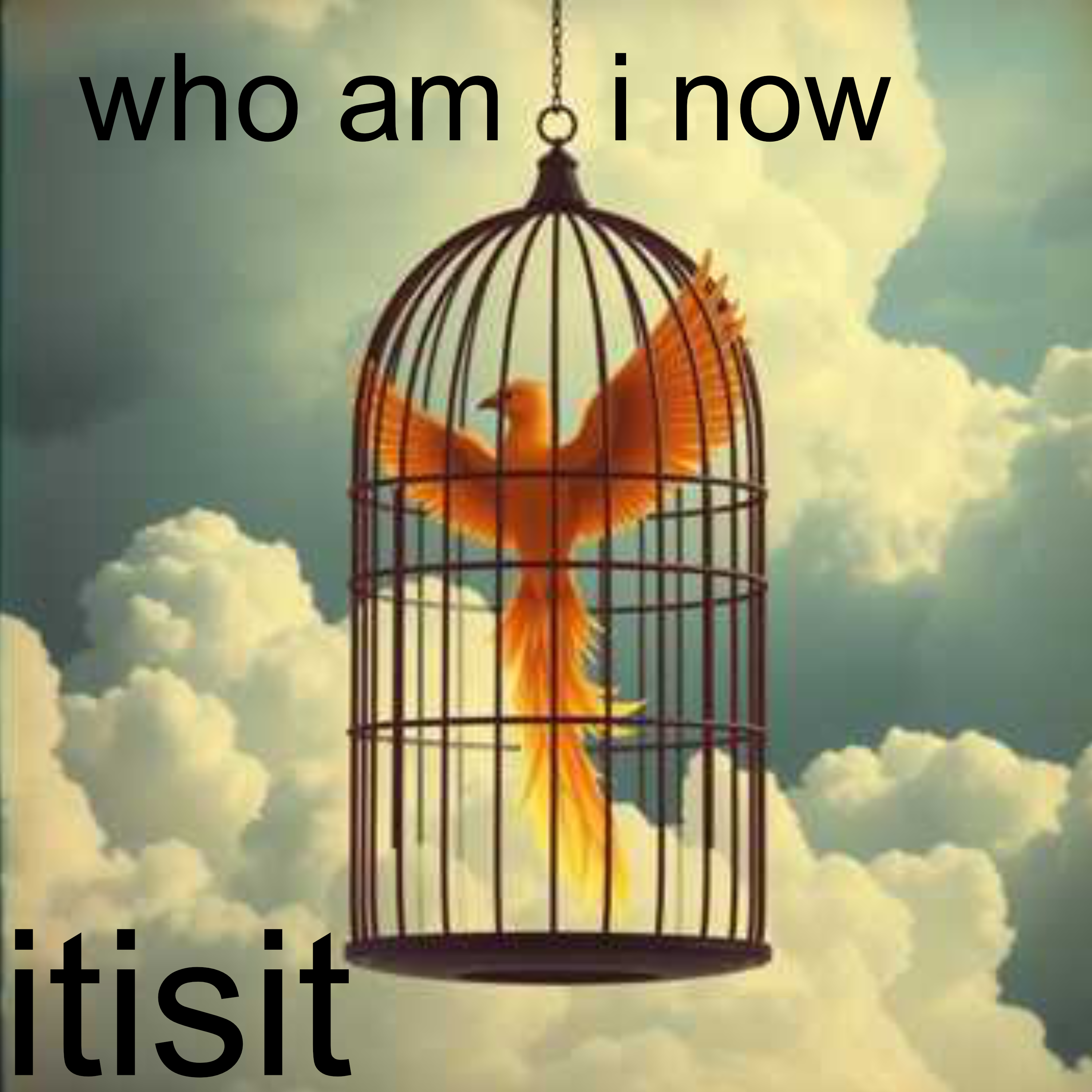
Who Am I Now
A searching song about masculine identity, changing roles and the courage to live more honestly.

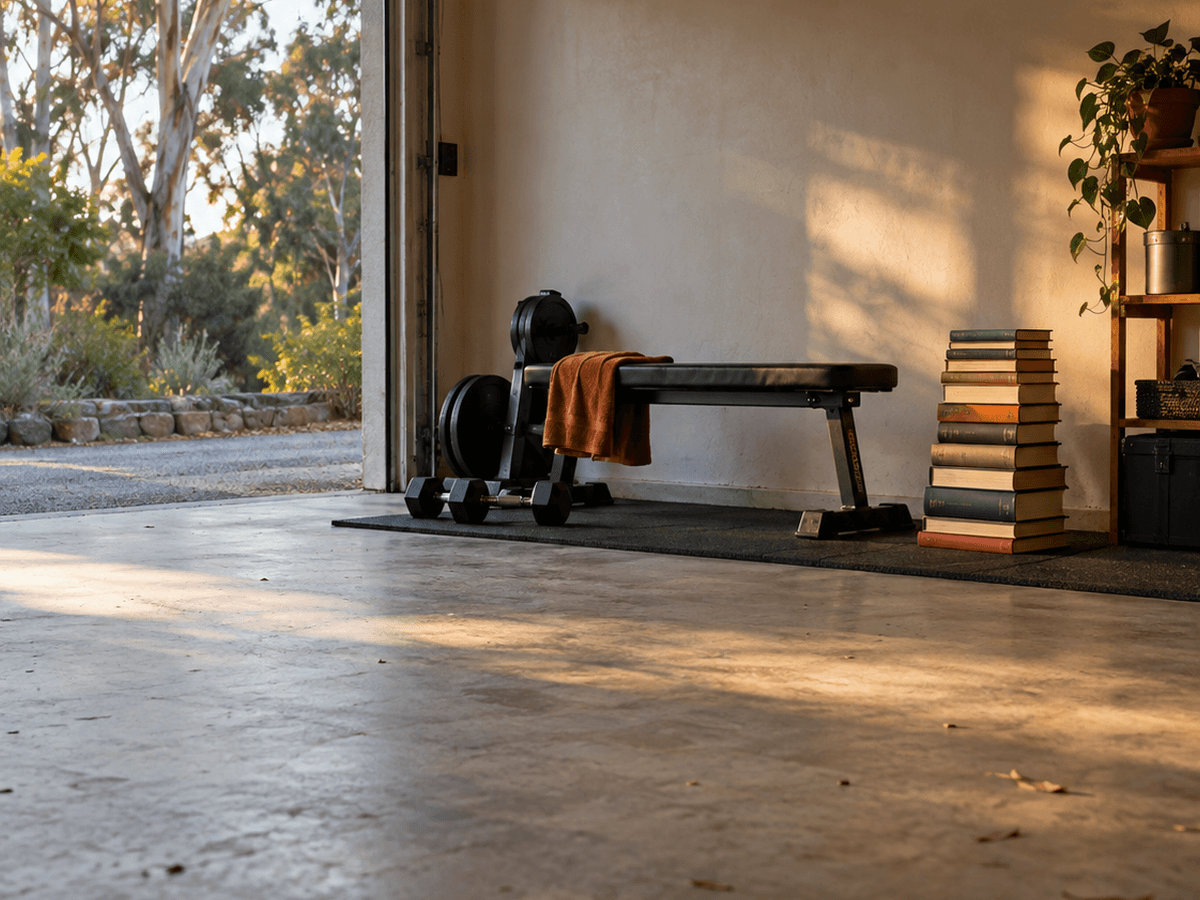
"What does strength really mean?" — Who Am I Now
Most men have a working definition of strength they've never actually had to state out loud, because nobody's ever seriously asked them to. It's absorbed rather than examined — something closer to "not needing help" and "not showing much" than anything anyone consciously decided on.
Never having to defend your definition of strength doesn't mean it's the right one — it just means it's never been tested. A lot of men would struggle to explain, if pushed, why staying silent under pressure counts as strong while asking for help doesn't, beyond "that's just what strong looks like."
There's the version of strength that's about enduring without complaint, and there's a different version that's about being honest even when it's uncomfortable. Most men were handed the first definition early and never formally introduced to the second as a real alternative, rather than a lesser one.
Just asking "what does strength really mean?" out loud, rather than assuming the inherited answer, requires a kind of nerve most men aren't encouraged to use on themselves. It risks landing on an answer that doesn't match how you've been living, which is an uncomfortable place to end up.
There's a song called Who Am I Now that asks this question directly and refuses to answer it too quickly. You can hear it here: https://imale.com.au/listen/who-am-i-now
A searching song about masculine identity, changing roles and the courage to live more honestly.

A lot of men hit a moment — after a job loss, a divorce, kids moving out — where the mirror doesn't match who they thought they were. This piece looks at why roles do so much identity work for men, and what the gap actually means.
Read Story
Provider and protector didn't get chosen by most men — they got inherited, carved in before there was much say. This piece looks at why "love asks for more" isn't a criticism, and why equal partner is a harder role to choose than it sounds.
Read Story
Most men already agree, in the abstract, that the old model of stoic self-sufficiency doesn't quite fit anymore. What's missing is seeing the alternative modelled up close, often enough, to feel like a real option. This piece looks at why admission has to come before strength, not after.
Read Story
By the time most men are old enough to question "stand tall, never let it show," they've already been following it for a decade. This piece traces how the instruction gets absorbed rather than taught, and separates two rules that were never actually one.
Read Story